


What Are Auto Emblems and Why Are They Important for Automotive Businesses?
Auto emblems are visual symbols—logos, badges, and insignias—that appear on vehicles and marketing materials to represent an automotive brand. These distinctive marks serve as the face of automotive businesses, from global manufacturers to local repair shops.
Visual symbols function as the cornerstone of effective branding in the automotive industry. An emblem communicates a brand’s identity faster than any written description, creating instant recognition among consumers. When someone spots a three-pointed star or a prancing horse, they immediately associate it with specific qualities, values, and experiences.
How Auto Emblems Strengthen Brand Identity for Automotive Businesses becomes clear when examining their multifaceted impact:
Auto emblems influence automotive brand identity by encapsulating everything a company represents in a single, memorable image. A well-designed emblem on a vehicle’s hood or grille doesn’t just identify the manufacturer—it triggers associations with quality, performance, luxury, or reliability. For automotive businesses, this visual shorthand becomes invaluable, turning every vehicle on the road into a mobile advertisement that reinforces brand identity and attracts potential customers.
What Role Do Auto Emblems Play in Representing Automotive Brands?
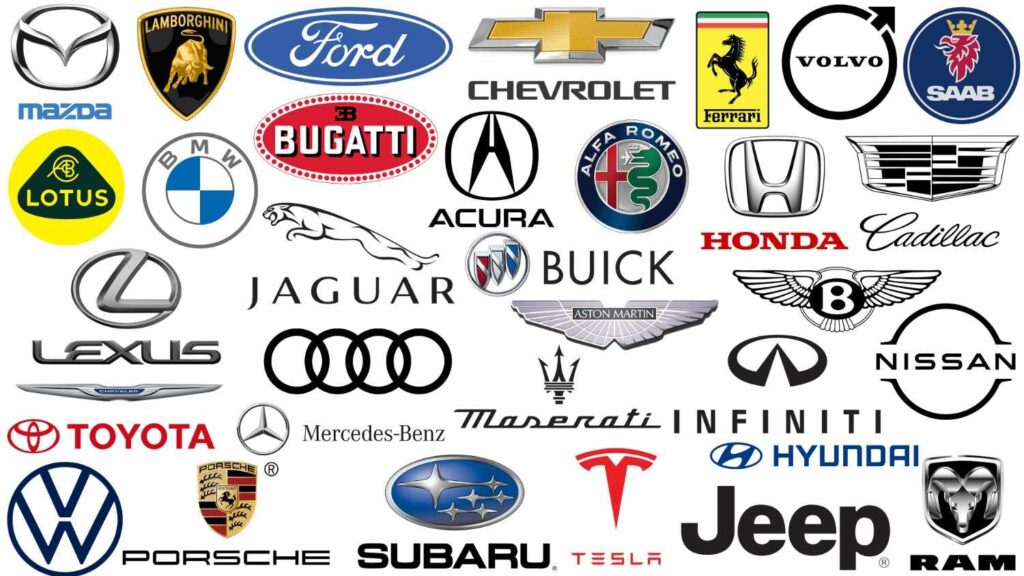
Auto emblems are visual symbols that convey a company’s brand vision and brand mission through easily recognizable imagery. For example, the three-pointed star of Mercedes-Benz represents their goal of being the leader in land, sea, and air transportation, reflecting their founding vision. Similarly, Tesla’s stylized “T” not only represents the company name but also signifies their mission to promote sustainable energy.
These badges serve as condensed representations of the core values that define a brand. Volvo’s diagonal arrow stands for strength and safety—qualities that are fundamental to their identity. Subaru’s constellation of stars symbolizes unity and collaboration, reflecting their commitment to bringing people together through dependable vehicles.
The emotional impact of these logos and badges goes beyond simple recognition. The Porsche crest evokes feelings of luxury and a rich history of performance, while Jeep’s seven-slot grille brings to mind adventure and ruggedness. These emotional connections turn metal and paint into powerful brand representatives that convey intricate brand stories without needing any written words.
How Do Auto Emblems Influence Consumer Perception and Purchasing Decisions?
Auto emblems shape consumer perception within milliseconds of visual contact. The brain processes these symbols faster than text, triggering immediate associations about quality, reliability, and status. A premium emblem signals superior craftsmanship and service standards, while a poorly designed badge raises doubts about business credibility.
Brand reputation becomes tangible through emblem design. Mercedes-Benz’s three-pointed star instantly communicates engineering excellence and luxury, motivating consumers to pay premium prices. This visual shorthand builds trust without requiring lengthy explanations of technical specifications or service capabilities.
The emotional connection created by emblems drives purchasing decisions at the subconscious level. Consumers experience feelings of excitement, security, or aspiration when viewing familiar automotive badges. A Jeep emblem evokes adventure and ruggedness, while a Lexus badge suggests refinement and comfort. These emotional triggers often outweigh rational comparisons of features or pricing, leading buyers to choose brands that resonate with their self-image and values.
Moreover, the design elements of these emblems also play a significant role in influencing consumer behavior. As highlighted in this study, specific design characteristics can enhance brand recognition and customer loyalty, further solidifying the impact of auto emblems on buying decisions.
What Symbolisms Are Commonly Used in Automobile Logos and Why?
Automotive logos use specific shapes and symbols to instantly convey brand values. Here’s a breakdown of the common symbolisms used in automobile logos and what they represent:
- Circles: Represent unity, continuous motion, and progress—qualities essential for vehicles.
- Squares and rectangles: Convey stability, reliability, and professional competence.
- Triangles: Signify power, dynamic growth, and forward momentum.
- Organic shapes: Suggest creativity, approachability, and human-centered design.
- Abstract forms: Communicate complex brand concepts and emotional experiences that words cannot capture.
Examples of Logo Symbolism in the Automotive Industry
Here are some examples of how logo symbolism reinforces brand meaning in the automotive industry:
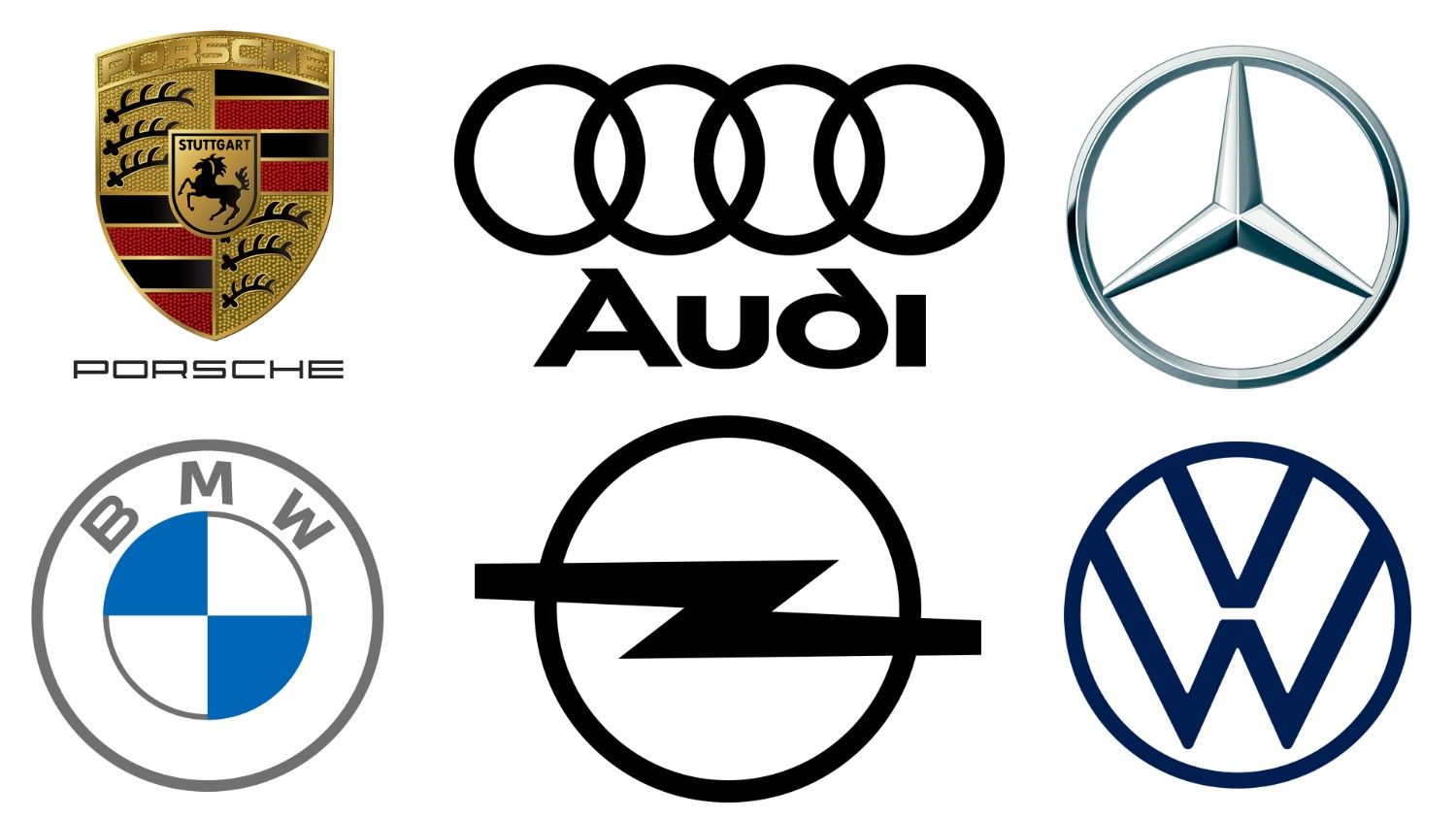
- BMW’s circular logo with its stylized propeller design exemplifies luxury vehicles in perpetual innovation.
- Ferrari’s prancing horse emblem communicates racing heritage, unbridled speed, and Italian passion.
- Mercedes-Benz’s three-pointed star within a circle represents dominance across land, sea, and air transportation.
These carefully chosen symbols demonstrate how auto emblems strengthen brand identity for automotive businesses by encoding brand stories into memorable visual shorthand that consumers decode subconsciously during every encounter.

How Auto Emblems Help Establish Brand Recognition in a Competitive Market
Auto emblems create instant visual identification that separates one business from hundreds of competitors. In a crowded automotive landscape, unique logos serve as the primary tool for customers to distinguish between brands at a glance, whether on vehicles, storefronts, or digital platforms.
The automotive sector includes various businesses—from global manufacturers to local repair shops—each requiring distinct visual identities. A luxury car maker’s emblem communicates precision and heritage through intricate metalwork, while an independent mechanic might use bold, simplified graphics to convey reliability and accessibility. This design uniqueness prevents confusion and positions each business within its specific market segment.
Consistent use of emblems across all platforms builds lasting brand recognition. When customers see the same logo on service vehicles, uniforms, invoices, and social media profiles, they develop familiarity and confidence. This repetition transforms a simple graphic into a trust signal, making customers more likely to choose that business when automotive needs arise. The emblem becomes shorthand for the entire brand experience.
Why Are Modern Automotive Brands Updating Their Emblem Designs?
Logo modernization has become essential as automotive brands adapt to digital-first consumer experiences. The shift toward simplicity in design allows emblems to maintain clarity across smartphone screens, social media platforms, and digital dashboards where intricate details can blur or lose impact.
Digital Adaptation in Automotive Branding
Digital adaptation extends beyond screens to physical applications like LED-illuminated grilles and badges. Volkswagen’s 2019 redesign stripped away three-dimensional elements, creating a flat, minimalist badge that glows uniformly when backlit. BMW similarly flattened its iconic roundel in 2020, removing the black outer ring to enhance visibility in digital environments.
Reasons Behind Emblem Updates
Key drivers of emblem updates include:
- Scalability – Simpler designs retain recognition at thumbnail sizes
- Versatility – Flat logos work seamlessly across print, digital, and illuminated formats
- Contemporary appeal – Clean lines signal innovation and forward-thinking values
Nissan’s 2020 refresh exemplifies this trend, replacing its metallic chrome badge with a sleek, two-dimensional design featuring transparent elements. This openness in visual language communicates accessibility and user-friendliness, aligning brand perception with modern consumer expectations for transparency and approachability.
The mindset behind these changes is often rooted in a desire to connect more deeply with consumers. As discussed in a Reddit thread, companies are increasingly focusing on creating designs that resonate with their audience on a personal level.
Moreover, while the shift towards minimalism is prominent, it’s important to remember that not all emblem designs are created equal. Some logos have stood the test of time due to their powerful brand identity. A recent article highlighted the top 10 best emblem logos in the world, showcasing how timeless designs continue to hold value even in a rapidly changing digital landscape. Visit https://www.dfat.gov.au/about-us/corporate/logos-and-style-guides to get more about logos and styles.
What Is the Process Behind Designing Effective Auto Emblems?
Professional design expertise transforms abstract brand concepts into visual symbols that communicate instantly without words. The logo development process requires designers who understand automotive culture, consumer psychology, and visual storytelling techniques to craft emblems that authentically represent a business’s unique identity.
Several factors determine how long creating an effective emblem takes:
- Business niche complexity – Luxury brands versus budget services require different design approaches
- Product range breadth – Companies offering multiple services need versatile emblems
- Target audience expectations – Racing enthusiasts respond to different imagery than family-oriented buyers
- Competitive landscape – Designs must stand out among existing market players
The most challenging aspect involves balancing visual detail with simplicity. Intricate designs may look impressive up close but lose clarity when scaled down for business cards or mobile screens. Successful auto emblems use clean lines and strategic negative space, ensuring recognition whether displayed on vehicle grilles, websites, or promotional materials. This careful calibration explains how auto emblems strengthen brand identity for automotive businesses—they maintain visual impact across every customer touchpoint.
Conclusion
Auto emblems are more than just visually pleasing designs—they are essential branding tools that form the core of your automotive business identity. By investing in professional emblem design, you can directly influence consumer loyalty. Well-designed symbols have the power to evoke immediate emotional connections, conveying messages of quality, trust, and values.
The significance of auto emblems in strengthening brand identity for automotive businesses becomes evident when we consider their various functions:
- Differentiation: In a saturated market, emblems help set your business apart from competitors.
- Memorable impressions: A well-crafted emblem creates a lasting first impression on potential customers.
- Recognition: Consistent use of your emblem across all customer interactions fosters brand recognition.
Whether you run a manufacturing facility or a local repair shop, your emblem embodies every promise you make to your customers.
The benefits of investing in thoughtful emblem design are reflected in tangible outcomes such as improved brand recall, higher customer retention rates, and a stronger competitive position—all of which contribute to the long-term success of your business.
More to Read : How Custom Sweatbands Are Making a Comeback in Aussie Sports & Fitness Branding